
ABM for UK SMEs including the use of AI
ABM for UK SMEs: how to run account-based marketing with a small team, and use AI for account research and outreach without losing credibility. Updated for 2026.

Audience
Generation Z grew up with a phone in their hand, a computer at their desk and a world of technology at their fingertips. They are now entering the consumer market, and they do not respond to the marketing that worked on the generation before them.
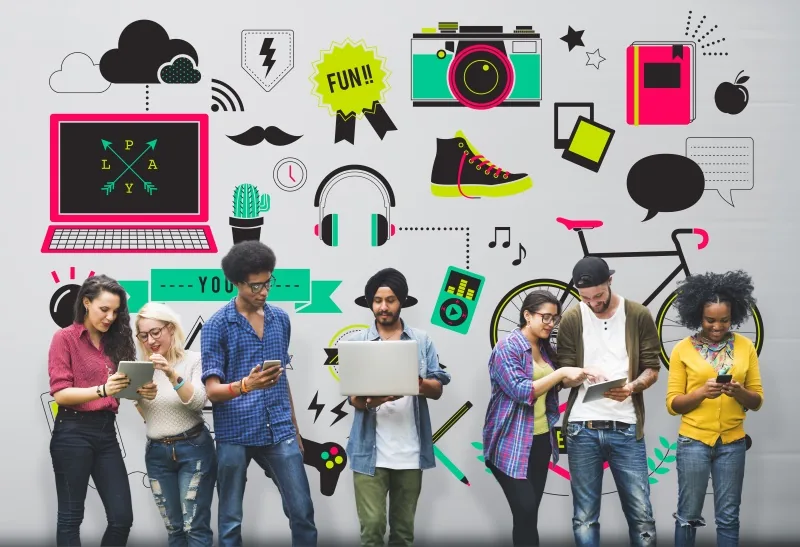
There is some disagreement about exactly when Gen Z starts, but it is generally taken as the mid-1990s to the early 2000s, roughly 1995 to 2012. The ones now reaching adulthood are the group your brand should be thinking about: starting work, earning, and making serious purchases.
They are technologically fluent, having grown up as mobile phones developed — some of them cannot remember a time before the iPhone. They are also wary of brands, which is not surprising for a generation born into a recession. They are harder to sell an idealistic story to, because they can see what a brand is doing while it does it.
Social media marketing is not new, but it remains the way to reach Gen Z. They spend longer on platforms such as YouTube, Instagram and TikTok than any generation before them.
To hold their attention, though, the content has to be direct. Their use of social is fragmented and frequent: they check often, but they do not settle in to read. That means marketing which says everything it needs to say in one quick glance. Be clear about what you are advertising and what the message is, and do not beat around the bush.
Influencers remain a strong route, but the kind of influencer matters. Rather than celebrities projecting an idealised life, this audience wants to see real people they can relate to and therefore trust. Google’s own research into teenage YouTube subscribers found that 70% of them rated YouTube creators as more relatable than mainstream celebrities, and therefore placed more trust in their opinions.

Authenticity connects to something else: social issues sit at the front of a Gen Z consumer’s mind. In a campaign, they want to see real people used for positive causes. Body diversity, gender diversity and racial diversity all matter, and this audience responds to them.
Having values as a brand — environmental, LGBTQ+ inclusion, whatever you genuinely stand behind — resonates with a socially conscious audience. They want a fairer and more inclusive world, and if they can bring that into what they buy, they will.
Customer service has always mattered. It has now gone digital. Your social media team needs the same training your in-store staff get, because Gen Z consumers will use social as the first place they log a complaint, and they expect a fast, friendly and helpful reply — within an hour or two.
Two pieces of research make the point. American Express has reported that the chance of a younger shopper disregarding a brand entirely after an unsatisfactory reply on social media more than doubles. Convince and Convert found that answering and resolving a complaint can produce a 25% increase in customer advocacy.
Marketing has often been aspirational: sell the lifestyle, not the product. A sports car advert shows two attractive passengers driving through beautiful landscape, and the message is that this could be you, if only you had the car.
Gen Z are too conscious of the technique to fall for it. They want to see how the product will improve the life they already have, realistically. They want the practicalities.
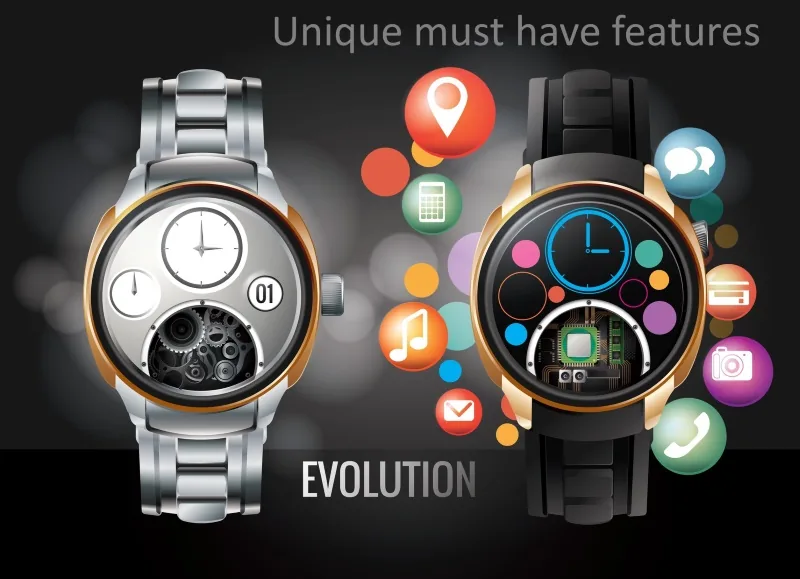
Say you are selling a watch. They do not want it on a suave gentleman sweeping through a party. They want to know that it uses newly developed technology to keep more accurate time, or that the glass is unbreakable, or that it works a hundred feet underwater. They want to know how this watch differs from the next one. They want science, not art.
Building a relationship with customers is not new, but it has changed shape. This audience wants to connect with a brand and trust it enough to keep coming back. Doing that means being more authentic than before.
Talk to your customers rather than at them, as two people having a conversation. Show that there are people behind the marketing. Do it through social interactions, blogs and video. Use real people, a conversational tone, and let the brand have a personality.
Some brands already do this well. The American food chain Wendy’s became known for witty, confident tweets and interactions that push the boundaries and give the brand a real character. It works because they are not being professional; they are being real, and Gen Z have responded with a large and attentive following.
If adapting your marketing to this audience feels like a stretch, we can help you identify your target audience, build strategies that suit you, and shape a brand your customers respond to.
Get in touch and tell us what you are trying to achieve. Work is scoped by outcome, not by hours, so a first piece of work can be as small as it needs to be.
Who wrote this

Steve founded Epitomise in 2017 after UK, international and global marketing leadership roles, most recently as Global CMO of the Vitec Group’s Videocom Division. He works with SME and technology businesses on strategy, positioning and the execution that follows — more about Steve.
Read next
ABM for UK SMEs: how to run account-based marketing with a small team, and use AI for account research and outreach without losing credibility. Updated for 2026.
Where AI genuinely helps with marketing strategy and where it quietly misleads. A practical workflow for UK SMEs, updated for 2026 with what changed when AI started doing its own research.
Run marketing as a repeatable quarterly cycle — Review, Focus, Implement, Optimise — so strategy turns into shipped work and measurable pipeline.
A short discovery call is usually enough to tell. No deck, no pitch.
Book a discovery call