15 factors to improve SEO results and grow prospect engagement
Fifteen factors that influence search performance, from keyword research and page speed to backlinks, bounce rate and blogging, with what to do about each.

SEO
In organic search, position beats presence: Backlinko found the first desktop result takes 31.7% of clicks and the whole of page two takes 0.78%. If your buyers search before they buy, the work that moves you up is keyword research, on-page depth, technical foundations and earned authority — in that order.
Keywords help a search engine identify what your website is about, so your content reaches the audience looking for what you do at the right time. There are three types worth separating:
It is common to hear a company say it ranks on the first page for certain terms, when those terms are extremely low volume and rarely searched. The sense of achievement is misplaced. Once you know your prioritised search terms, you can make sure they and their related semantic terms are used properly throughout your strategy.
Research and select the terms where your business would like to perform organically. This is usually a component of your wider marketing strategy and plan, and it should include:
A backlink is created when one site links to another. Backlinks from credible sources signal a level of trust, which is why building them is a core part of off-site optimisation. The value of a given link depends on the authority of the page, the anchor text, meta tags, whether the link is follow or nofollow, and the content around it.
When developing a backlink strategy, look at the backlinks your competitors have built and be clear about your own aims. Beyond the referral traffic, backlinks improve your site’s authority — a score tools calculate from the number of backlinks, referring domains, organic traffic and other signals. SEMrush and Ahrefs both publish authority checkers if you want a second view.
Good SEO tools save time: keyword research you can save and revisit, position tracking against chosen terms, and competitor research. Some are free, some are paid. At Epitomise we use SEMrush, which is a paid subscription, but SEMrush also publishes a list of free SEO tools with entry-level functionality. Because there are so many tools available, using a range of them gives you a toolkit where you can cross-check the data being served.
Search remains one of the most valuable places a business can be found, and the gap between the first result and the second page is enormous: on Backlinko’s numbers, to achieve a click-through rate above 5% organically you need to be at position 5 or better. That is what the objectives have to aim at.
Use the research to set the objectives you are targeting organically. My own preference is to target a specific number of marketing enquiries and work back up the funnel to the number and quality of visitors required to achieve it.
Then choose the search intent terms and keywords with appropriate volume that are not too competitive, develop the strategies around them, and define the content roadmap that supports the aim.
On-page SEO is the process of optimising your pages for search: identifying the main keyword and thematic keywords for each page, writing meta descriptions and page titles, adding alternative text to images, and more.
Search providers are constantly evolving their algorithms. Businesses put significant effort into content marketing to give decision-makers and influencers valuable information during their discovery and exploration stages. For those people to find content that took real time and resource to create, it has to appear when they search.
High-quality content can perform reasonably quickly, in a matter of weeks, but SEO is typically a long-term play that must be worked on consistently. The following on-page approaches contribute to better organic results:
SEMrush’s analysis of 1.2 million blog posts found that very long articles — 7,000 words and above — attract around four times the traffic of average-length posts, and that list-format articles attract more page views than any other content type. WordStream’s guidance introduces the EAT principle for content development: expertise, authoritativeness and trustworthiness.
Search result features are results on a search engine results page that are not traditional organic listings. The most common include:
Technical SEO relates to the infrastructure of the website: whether it can be crawled, how fast it loads, how usable it is, and whether it can be indexed. It is the foundation of everything else — if the technical layer is wrong, it hinders every other improvement you make.
Mobile performance carries most of the weight here. SEMrush figures showed mobile traffic driving 66% of all site visits in 2020, so treat the mobile score as the real one.
The areas to optimise:
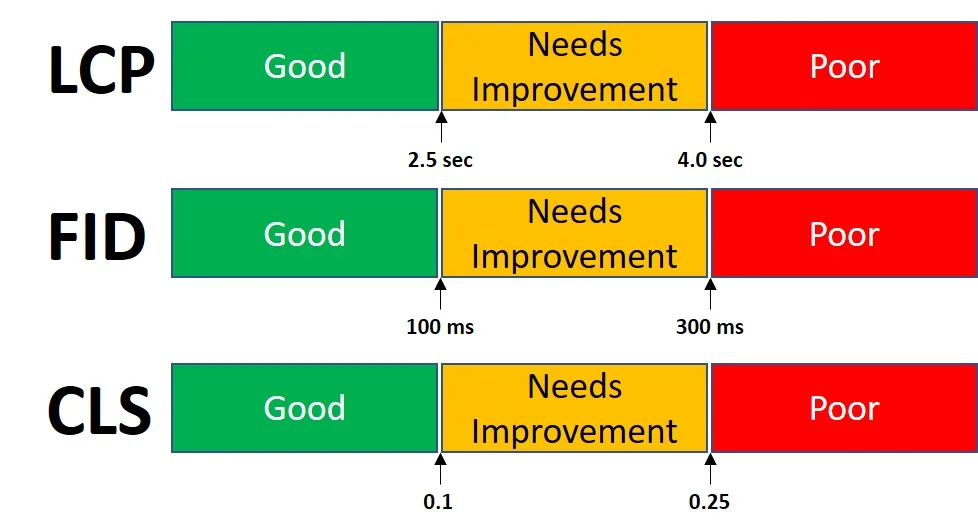
Core Web Vitals measure loading, interactivity and visual stability to judge the experience of a page. Three components matter most:
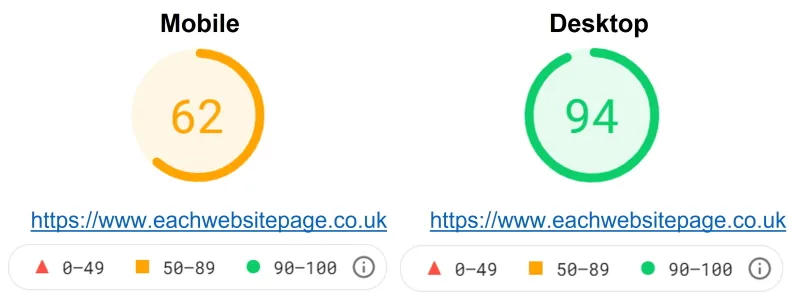
A starting point is to check your PageSpeed Insights score. Each page you test returns a separate mobile and desktop score.
Off-page SEO is the work outside your website that changes your position in the results. The key areas are trustworthiness, backlink building, social media marketing, guest blogging and influencer marketing.
Being found by prospects searching for your products and services matters to most businesses, and many will spend significant money on search ads to be found quickly — there is a case for that, which we cover in the benefits of Google advertising. But a considered SEO strategy built along the lines above helps your business be found organically, which creates more engagement, more enquiries, and a better return from all the content and marketing you already produce.
Who wrote this

Steve founded Epitomise in 2017 after UK, international and global marketing leadership roles, most recently as Global CMO of the Vitec Group’s Videocom Division. He works with SME and technology businesses on strategy, positioning and the execution that follows — more about Steve.
Read next
Fifteen factors that influence search performance, from keyword research and page speed to backlinks, bounce rate and blogging, with what to do about each.
ABM for UK SMEs: how to run account-based marketing with a small team, and use AI for account research and outreach without losing credibility. Updated for 2026.
Where AI genuinely helps with marketing strategy and where it quietly misleads. A practical workflow for UK SMEs, updated for 2026 with what changed when AI started doing its own research.
A short discovery call is usually enough to tell. No deck, no pitch.
Book a discovery call