Account-based marketing: focus effort on valuable accounts
A practical account-based marketing guide for selecting target accounts, coordinating sales and marketing, and measuring meaningful progress.

Marketing guides
Television, cinema and radio can turn a message into something people see or hear together. They combine reach, emotion and repetition in ways that a small digital advert often cannot. They also ask you to commit money before every result is visible in a dashboard. A good campaign therefore starts with a precise audience and business objective, then chooses the medium for the attention it can genuinely deliver.
Part 3 of Execute Your Tech Idea includes these channels because they remain useful routes to market, not because every growing business should buy them. Broadcast and cinema advertising become sensible when your market is large enough, your proposition is simple enough and the business can convert the demand the campaign creates.
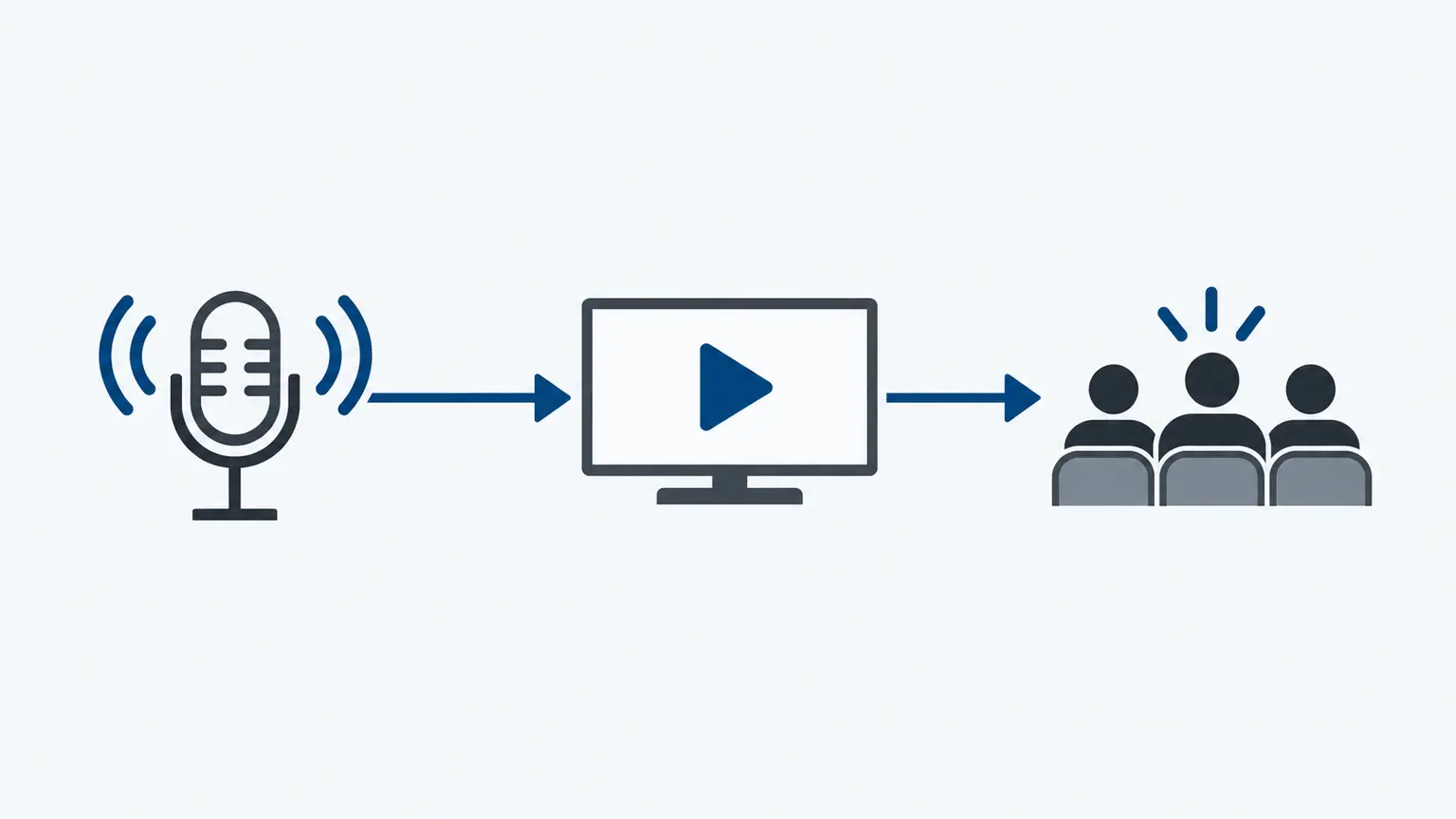
Broadcast media can build awareness, launch an offer, explain a simple difference or prompt a response. These are distinct jobs. If one advert must introduce an unknown brand, describe six features and generate immediate sales, it will probably do none well.
Define the audience, desired behaviour and timing. Then check whether enough potential buyers use the medium in relevant regions. Local radio may suit a service with a clear catchment area. Cinema can reach people by location and film choice. Television can provide broad or targeted reach through linear channels, addressable services and connected viewing.
The channel is less attractive when the available audience is too broad, the purchase is extremely specialist or the business cannot handle additional enquiries. Demand generation is only useful when delivery and sales can receive it.
Television combines sight, sound and movement. It can demonstrate a product, dramatise a problem and build brand memory. Ask what inventory you are buying and how viewing is measured.
Cinema gives you a large screen, strong sound and an audience that has chosen to sit in one place. It can suit geographically focused campaigns and visual brands. The brand, message and next action must remain memorable after the advert ends.
Radio relies on voice, music and repetition. It reaches people while they do other things, which makes distinctive audio important. Presenter partnerships, sponsorship and standard spots carry different levels of integration and trust. Assess streaming audio and podcasts separately.
Start with one proposition: the problem, promise or difference the audience should remember. Make the brand identifiable early enough that someone still knows who spoke if their attention drops before the end. Use distinctive words, sounds or visual cues consistently across the wider campaign.
Write for the medium. Television and cinema should show what the voiceover does not need to repeat. Radio copy must make sense without a screen and should avoid long web addresses, lists and unfamiliar names delivered at speed. Read audio scripts aloud at a natural pace. If the legal wording consumes the advert, revisit the claim rather than asking the voice artist to become an auctioneer.
Plan adaptations rather than crude cut-downs. A thirty-second television advert, a short online version and a radio execution may share one idea while using different scripts. Keep factual claims defensible and complete the required clearance process before media deadlines.
Media cost is only one line. Include strategy, production, talent, rights, clearances, trafficking, landing pages, response handling, tracking and evaluation. Consider whether production can also create useful social, website and sales content.
Frequency matters. A cheap one-off placement may leave no memory. Ask the planner to show expected reach and frequency, with the assumptions explained. A growing business often benefits from being visible in one market rather than faintly visible everywhere.
People may search the brand, visit directly, scan a cinema code, call or ask someone else later. Make sure brand and product searches lead to a useful result. Align the landing page with the advert and brief whoever answers phones, chat or sales enquiries. If the campaign promotes a time-sensitive offer, test the complete journey before the first placement runs.
Use a memorable route or response code where it fits naturally, but do not make the audience decode the measurement plan. A clear go-to-market process matters more than squeezing every response through one artificial path.
Review several layers:
Annotate launch dates and compare exposed regions, periods or audiences with sensible baselines. Use platform or media-owner reporting as one input, not the whole answer. Customer surveys and “How did you hear about us?” responses can reveal influence that click attribution misses.
These channels often create demand that search and digital marketing capture. They can reinforce out-of-home activity, point people towards retail and point-of-sale material and provide creative assets for other channels. Clear value messaging must come first, because repetition makes both good and bad propositions more visible.
It can be when geography, audience and inventory are tightly chosen. Local, addressable and connected television options may reduce waste, but production and follow-up still need proper funding. Ask for the total campaign cost and expected audience delivery before comparing it with other channels.
Yes, if the advert creates a memorable brand and reason to act. Listeners often respond later through search, direct visits or calls. That makes consistent naming, frequency and wider measurement especially important.
The central idea can be shared, but the setting differs. Cinema offers a larger screen, stronger sound and a captive audience; television appears in a more distracted environment. Review pacing, legibility, sound and calls to action for each medium rather than assuming one file is optimal everywhere.
If you are weighing broadcast or cinema against other channels, contact Epitomise for an objective view of the audience, proposition and commercial case.
Who wrote this

Steve founded Epitomise in 2017 after UK, international and global marketing leadership roles, most recently as Global CMO of the Vitec Group’s Videocom Division. He works with SME and technology businesses on strategy, positioning and the execution that follows — more about Steve.
Read next
A practical account-based marketing guide for selecting target accounts, coordinating sales and marketing, and measuring meaningful progress.
How to plan outdoor advertising with a clear audience, location, message and measurement approach, from local posters to digital out-of-home.
How to use live chat, messaging and helpful sales conversations to reduce buyer friction while protecting trust and team capacity.
A short discovery call is usually enough to tell. No deck, no pitch.
Book a discovery call