Account-based marketing: focus effort on valuable accounts
A practical account-based marketing guide for selecting target accounts, coordinating sales and marketing, and measuring meaningful progress.

Marketing guides
Influencer marketing uses the trust and attention held by a creator, expert or recognised industry voice to introduce your offer to their audience. The useful word is not “influencer”; it is “influence”. A person with a modest, highly relevant following may change more buying decisions than a celebrity account with millions of indifferent viewers.
Part 3 of Execute Your Tech Idea treats influencer marketing as one channel among many, which prevents it becoming a hunt for famous faces. The channel must still serve a defined market, message and commercial objective. You are buying access to a relationship, not renting somebody’s follower count.
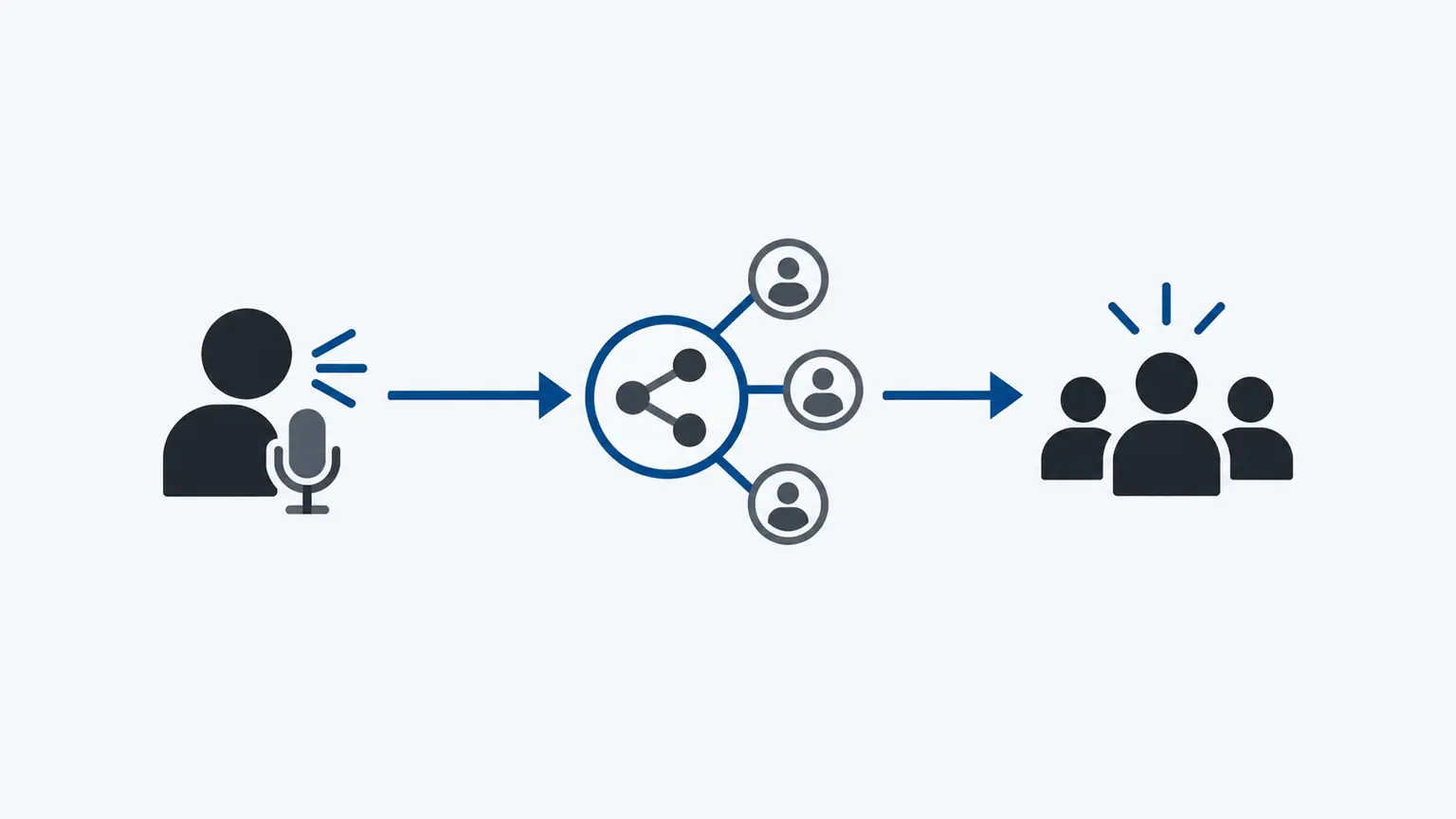
The channel works when buyers rely on demonstration, recommendation or informed interpretation. Consumer products often benefit from creators showing the product in use. Business-to-business firms may work with analysts, practitioners, newsletter writers, podcasters or respected members of a professional community. In both cases, the person’s relevance and credibility matter more than the platform label.
Influencer activity can help you reach a community that paid targeting describes poorly, explain a product that needs to be seen, or borrow enough trust to earn a first look. It is less suitable when the offer is hard to demonstrate, the sales cycle has no sensible next step or the brand cannot tolerate the creator’s independent style.
Do not use the channel to disguise advertising as an impartial recommendation. Clear disclosure protects the audience and the credibility of everyone involved.
Start with the buyer. Which people do they already read, watch or ask when making this kind of choice? Search relevant podcasts, newsletters, communities, conference programmes and platform conversations. Customer interviews and sales calls often reveal these names faster than an influencer database.
Assess candidates across five areas:
Ask for recent audience and campaign information, but interpret screenshots carefully. Followers can be bought, views can be shallow and an average can hide wildly inconsistent performance. Read the comments and inspect the people behind them.
Choose the collaboration around the task. Product demonstrations, expert interviews, event coverage, co-created research, newsletter explanations and longer-term ambassador relationships all do different jobs. A single scripted endorsement may create reach; a series that teaches the audience how to solve a problem can build understanding and memory.
Write a brief with the audience, objective, key facts, prohibited claims, required disclosure, deliverables, timing and next step. Give the creator enough product access and subject support to speak accurately. Then let them use the language their audience recognises. If every sentence sounds as though your legal team wrote it, the content has lost the reason you hired a creator.
Agree payment, approval stages, cancellation, exclusivity, disclosure, music or image rights and where you may reuse the content. Distinguish between the creator posting to their audience and your business licensing the content for adverts, websites or sales material. Those are different rights and should be priced and documented accordingly.
Match the destination to the content. A demonstration might link to the exact product or service explained. An expert discussion may lead to a deeper guide or a relevant article. Use a memorable link, tracked URL or code where appropriate, but do not make the offer so contrived that the audience stops trusting it.
Make sure the landing page answers the questions raised in the content. If the creator discusses cost, suitability or implementation, the page should not retreat into slogans. Clear value messaging matters because borrowed attention disappears quickly when the next page feels unrelated.
Set measures by stage:
Give each creator and activation distinct tracking where possible. Compare results with fees, production costs, free product, management time and paid amplification. Review comment themes as well as totals; ten detailed questions about buying may matter more than a thousand passive likes.
Longer sales cycles need a wider view. Ask new prospects how they found you, monitor direct and branded traffic around publication dates, and record credible creator influence in the CRM. Do not force certainty where the evidence only shows contribution.
Creator content can feed paid social, content marketing and product landing pages when the rights allow it. Expert collaborations support public speaking and events, while specialist newsletter writers overlap with industry advertising. The channel becomes more useful when your wider digital marketing system can capture and nurture the resulting interest.
Neither size wins automatically. A smaller creator may have a closer relationship with a specialist audience, while a larger creator may provide efficient reach. Choose against audience fit, trust, content quality and the action you need rather than an arbitrary follower band.
Provide approved facts, key messages and boundaries, but avoid forcing a word-for-word endorsement unless the format genuinely requires it. The creator understands how their audience listens. Approval should protect accuracy and compliance without removing the voice that creates the value.
Yes. B2B influence often sits with practitioners, analysts, consultants, speakers, podcasters and specialist newsletter writers rather than lifestyle creators. The audience may be smaller, but it can contain a much higher proportion of relevant buyers and advisers.
If you want to test influencer marketing without detaching it from the rest of your plan, contact Epitomise to define the audience, message and measurement first.
Who wrote this

Steve founded Epitomise in 2017 after UK, international and global marketing leadership roles, most recently as Global CMO of the Vitec Group’s Videocom Division. He works with SME and technology businesses on strategy, positioning and the execution that follows — more about Steve.
Read next
A practical account-based marketing guide for selecting target accounts, coordinating sales and marketing, and measuring meaningful progress.
How to plan outdoor advertising with a clear audience, location, message and measurement approach, from local posters to digital out-of-home.
How to use live chat, messaging and helpful sales conversations to reduce buyer friction while protecting trust and team capacity.
A short discovery call is usually enough to tell. No deck, no pitch.
Book a discovery call