Account-based marketing: focus effort on valuable accounts
A practical account-based marketing guide for selecting target accounts, coordinating sales and marketing, and measuring meaningful progress.

Marketing guides
Tenders can provide access to substantial public- and private-sector opportunities, but a published opportunity is not automatically a good opportunity. Strong bidding begins with deciding where you can credibly win, then answering the buyer’s stated requirements with clear evidence.
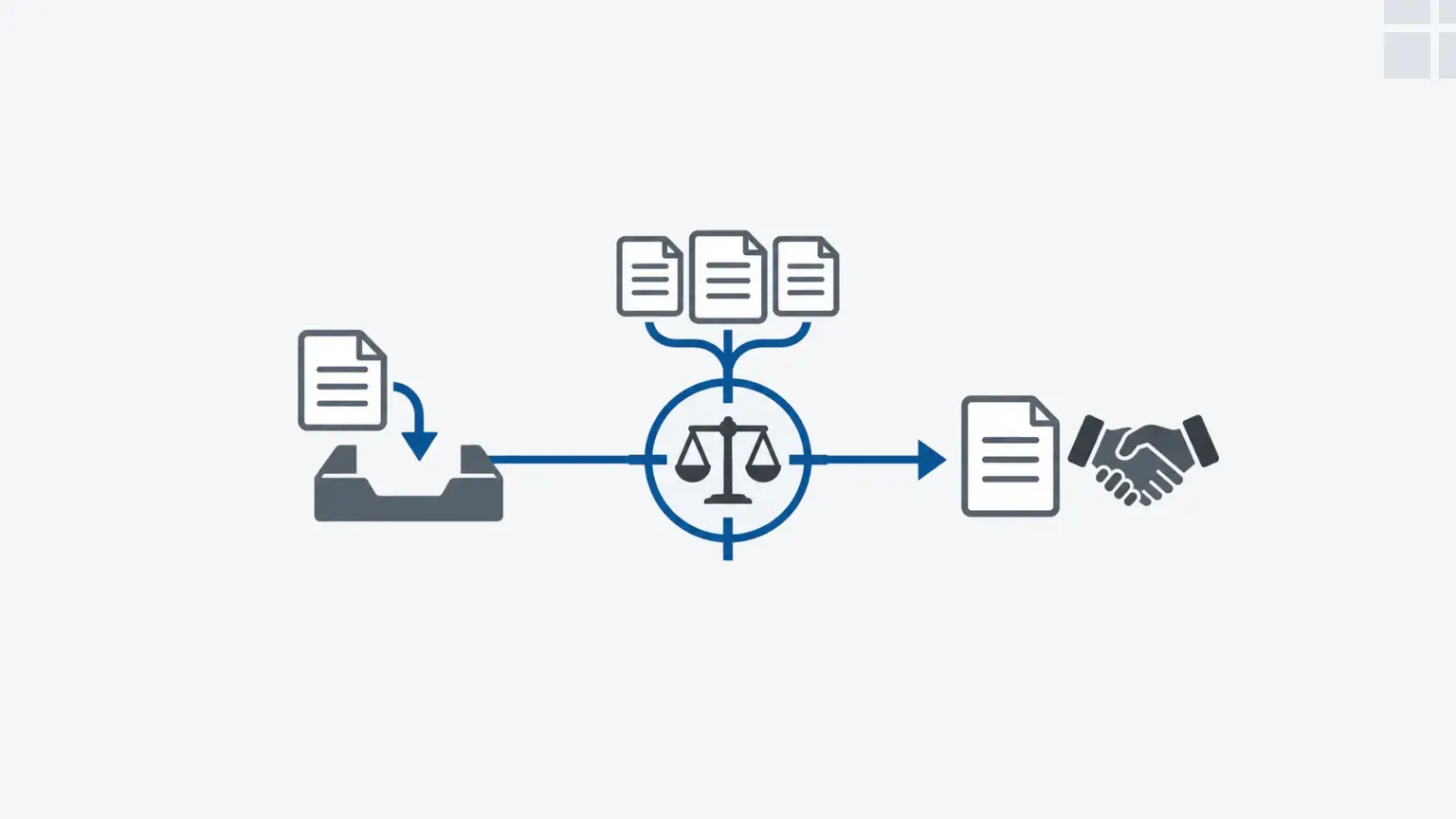
A tender is a structured purchasing process in which an organisation invites suppliers to provide information, prices or proposals. Common stages include a request for information, request for quotation or request for proposal. Processes vary from relatively simple comparisons to formal exercises with mandatory requirements, weighted questions and detailed contracts.
Responses are commonly scored against published criteria. That changes the writing task. A polished company story cannot compensate for an unanswered requirement; evaluators need to identify exactly how the response satisfies what they asked.
This guide develops the tender channel set out by Steve Ward in Part 3 of Execute Your Tech Idea. His central caution remains important: an attractive contract value can encourage a business to invest heavily in a process it was poorly positioned to win.
Tendering can span discovery through purchase. Early market engagement helps a buyer understand possible solutions. The formal specification frames evaluation, while clarification, presentation and commercial stages lead towards appointment.
From the supplier’s perspective, however, a tender normally begins after the buyer has defined much of its need. Your value proposition must therefore be expressed against the buyer’s priorities rather than imposed as a generic marketing message.
This channel works when the requirement fits your capabilities, you can satisfy mandatory conditions and you possess credible evidence. Existing knowledge of the buyer, previous delivery in the sector or a genuinely differentiated approach can strengthen the case, provided the process permits it to count.
It can be particularly effective for organisations that build a repeatable bid capability. Reusable evidence, policies, biographies, case studies and commercial information reduce administrative effort, leaving more time to interpret the requirement and improve the answer.
Partnerships can make otherwise inaccessible opportunities viable. A specialist may contribute to a wider solution led by an approved or better-established supplier, so long as roles and mutual value are explicit.
Bidding wastes money when hope replaces qualification. Warning signs include missing accreditations, an unrealistic delivery timetable, requirements designed around an incumbent, no relevant evidence, weak access to decision context or commercial terms you cannot accept.
The visible writing time understates the cost. Subject experts, directors, finance and delivery staff may all contribute, while ordinary sales and client work slows down. A low-probability tender can therefore damage stronger opportunities elsewhere.
It also wastes effort when a standard response library is pasted into every answer. Reusable material should support a tailored response, not obscure the buyer’s actual question.
Start by defining the types of contract you can deliver profitably: buyer profile, service, geography, value range, standards and delivery capacity. Select a small number of tender sources and set alerts that reflect those conditions.
Create a bid/no-bid scorecard. Consider strategic fit, mandatory compliance, relationship or insight, evidence, differentiation, capacity, competition, timetable, contract risk and likely return. Agree a threshold and require a named decision-maker to approve exceptions.
If you bid, build a compliance matrix that lists every requirement, question, weighting, limit, owner and deadline. Plan the answer around the scoring criteria. State the response directly, explain how it will work and support it with relevant evidence. Use the buyer’s terminology accurately and remove claims that cannot be demonstrated.
Schedule independent review before submission. The reviewer should check compliance first, then clarity, evidence and consistency. Submit before the deadline rather than relying on a portal at the final minute—procurement systems have an uncanny ability to become exciting at precisely the wrong time.
Track suitable tenders identified, bid/no-bid decisions, total bid hours and cost, compliant submissions, shortlists, presentations, wins and contract value. Compare win rate by buyer type, service and source rather than blending unlike opportunities.
Review evaluator feedback whenever available. Record which criteria lost points and turn recurring gaps into defined improvements, such as obtaining evidence, strengthening a policy or avoiding that class of tender.
Directories, review sites and procurement frameworks can determine whether buyers find or permit a supplier. Online expert sources and case studies add authority. Partner and affiliate marketing can form a stronger combined solution, while account-based marketing helps develop strategically important buyers before a formal process begins.
If several answers are weak, declining is disciplined marketing, not failure. Protect the resource for opportunities where a strong response has a realistic path to winning.
Who wrote this

Steve founded Epitomise in 2017 after UK, international and global marketing leadership roles, most recently as Global CMO of the Vitec Group’s Videocom Division. He works with SME and technology businesses on strategy, positioning and the execution that follows — more about Steve.
Read next
A practical account-based marketing guide for selecting target accounts, coordinating sales and marketing, and measuring meaningful progress.
How to plan outdoor advertising with a clear audience, location, message and measurement approach, from local posters to digital out-of-home.
How to use live chat, messaging and helpful sales conversations to reduce buyer friction while protecting trust and team capacity.
A short discovery call is usually enough to tell. No deck, no pitch.
Book a discovery call