Account-based marketing: focus effort on valuable accounts
A practical account-based marketing guide for selecting target accounts, coordinating sales and marketing, and measuring meaningful progress.

Marketing guides
Customers often consult people and publications they trust before approaching a supplier. Analysts, consultants, specialist writers and established opinion leaders can introduce an unfamiliar business, explain a market and provide independent reassurance during a considered purchase.
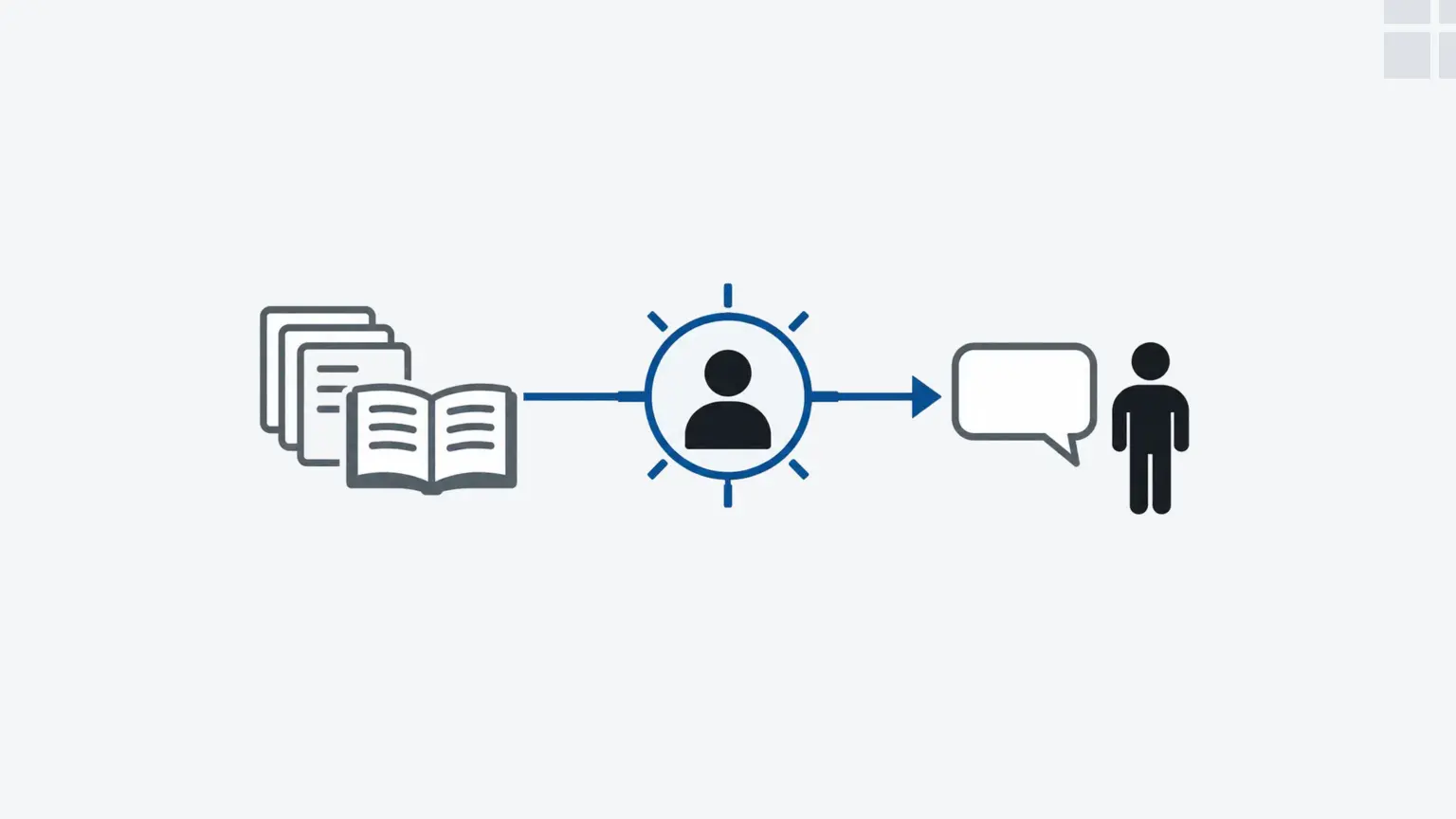
Online expert sources include industry analysts, consultants, specialist bloggers, professional media channels and other recognised opinion leaders. Buyers use their commentary, comparisons and recommendations to understand options, particularly where a product is complex, unfamiliar or commercially important.
This is not identical to influencer marketing. An expert source earns attention principally through subject authority and may apply editorial or research standards to what it publishes. The relationship can range from providing informed comment or contributed analysis to participating in a formal market assessment.
Steve Ward introduces this channel in Part 3 of Execute Your Tech Idea as a route to both exposure and authority. He also makes the practical point that acceptance is not guaranteed: many approaches will be declined or ignored, making selection essential.
Expert sources support discovery when their audience first encounters your company or idea. They support exploration and evaluation when buyers seek an independent explanation, comparison or informed view.
Their value tends to rise with perceived purchase risk. A senior team considering an expensive platform may consult specialist advisers or research sources because the cost of a poor decision exceeds the cost of deeper investigation. This is closely connected to social proof and authority, although neither replaces the buyer’s own due diligence.
This channel works when you have real expertise, evidence or a distinctive perspective that helps the source serve its audience. Useful contributions might interpret a change, explain a difficult issue, provide anonymised learning or challenge a common assumption constructively.
It also works when the source occupies a trusted position in a defined niche. A respected adviser read by two hundred relevant decision-makers may create more commercial value than a general publication with a large but unrelated readership.
Longer-term relationships improve effectiveness. A source that knows you respond promptly, avoid empty promotion and provide reliable material is more likely to seek your contribution again.
Outreach wastes time when a business sends the same self-centred pitch to every publication or commentator it can find. The source’s job is to help its audience, not distribute your brochure.
It also fails when prestige overrides fit. Steve’s deliberately obvious example is useful: securing space in a publication about cats will do little for a product aimed at dogs. Less absurd mismatches happen constantly when businesses chase a recognisable logo without checking who actually pays attention.
Paid analyst or publisher programmes require particular scrutiny. They may offer legitimate value, but you should understand the audience, deliverables, independence and likely commercial effect before committing resource.
Map how an ideal customer researches the problem. Search the questions, categories and competing products they would investigate. Ask customers which advisers, newsletters, podcasts or publications they trust. Build a shortlist based on audience fit, authority, format and realistic accessibility.
Study each source before approaching it. Note recurring subjects, tone, formats and gaps you could credibly fill. Then propose one useful contribution with a clear reason it matters now and evidence that you can deliver it. Keep the request concise.
Prepare a small expert pack: an accurate biography, areas of genuine competence, high-quality image, relevant examples and contact details. Create a useful destination page so interested readers can explore the subject without landing on an unrelated homepage. Avoid demanding promotional links or editorial control that would undermine the source’s independence.
After publication, thank the source, share the work appropriately and answer resulting questions. Record what resonated and suggest future contributions only when you have another worthwhile idea.
Track pitches, responses, accepted contributions, placements, relevant audience reach, referral visits, branded searches, enquiries and influenced opportunities. Quality matters more than raw mention count.
Use dedicated landing pages or campaign links where appropriate, while recognising that authority can influence a later search or conversation rather than generate an immediate click. Ask prospects which sources informed their decision and record this alongside digital attribution.
Search engine marketing helps useful expert material remain discoverable. Social media marketing and advertising distributes it, while email marketing shares it with an established audience. Press relations, influencer marketing and public speaking use related credibility but reach people in different contexts.
Expert-source marketing succeeds through relevance and credibility. Earn those first; reach then becomes useful rather than merely flattering.
Who wrote this

Steve founded Epitomise in 2017 after UK, international and global marketing leadership roles, most recently as Global CMO of the Vitec Group’s Videocom Division. He works with SME and technology businesses on strategy, positioning and the execution that follows — more about Steve.
Read next
A practical account-based marketing guide for selecting target accounts, coordinating sales and marketing, and measuring meaningful progress.
How to plan outdoor advertising with a clear audience, location, message and measurement approach, from local posters to digital out-of-home.
How to use live chat, messaging and helpful sales conversations to reduce buyer friction while protecting trust and team capacity.
A short discovery call is usually enough to tell. No deck, no pitch.
Book a discovery call